
5 min read · By Away to Makkah
10 important things to know about Madinah (Medina)
Second Holiest City in Islam Madinah (officially Al-Madīnah al-Munawwarah) is considered the second holiest&n…
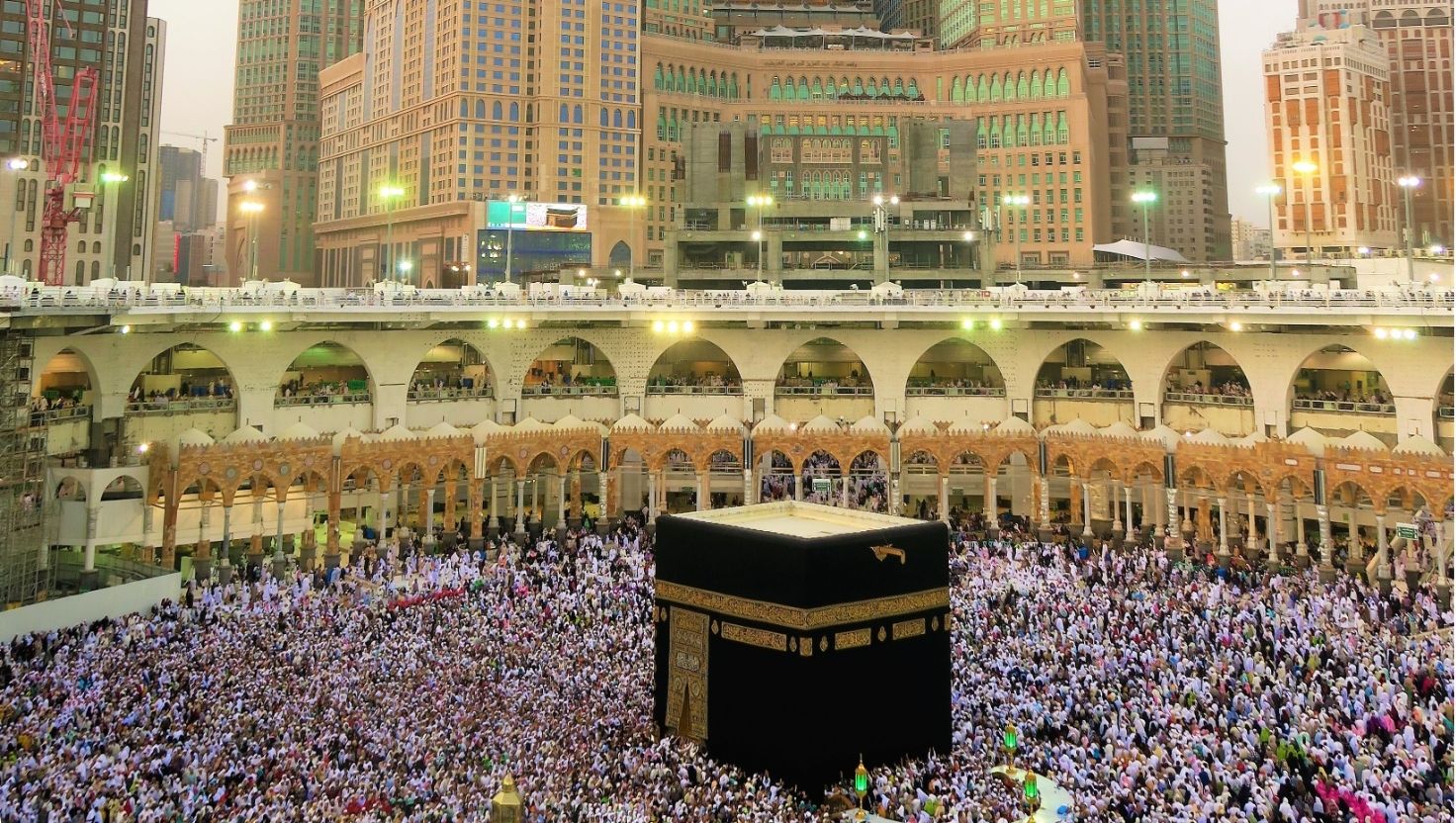
Second Holiest City in Islam Madinah (officially Al-Madīnah al-Munawwarah) is considered the second holiest city in Islam, after Makkah (Mecca). It's home to the Prophet Muhammad’s mosque and his tomb. 2. Al-Masjid an-Nabawi The Prophet’s Mosque is one of the largest mosques in the world. Built by the Prophet Muhammad himself, it houses his grave, along with those of Abu Bakr and Umar (the first two caliphs of Islam). 3. Hijrah (Migration) Madinah is where the Prophet Muhammad and his followers migrated in 622 CE to escape persecution in Makkah. This migration is known as the Hijrah and marks the beginning of the Islamic calendar. 4. City of the Ansar (Helpers) The local tribes of Madinah (mainly the Ansar) welcomed the Prophet and his companions, showing great hospitality and support. This bond between the Muhajirun (migrants) and the Ansar is foundational in Islamic history. 5. The First Islamic State Madinah was the capital of the first Islamic state, and the place where the Constitution of Madinah was established – an early example of a pluralistic, multi-faith society under Islamic governance. 6. Only Muslims Can Enter Like Makkah, non-Muslims are not allowed to enter the core city of Madinah. This is enforced out of respect for the city's sacred status. 7. Quba Mosque – The First Mosque Located on the outskirts of Madinah, Quba Mosque is the first mosque ever built in Islam. The Prophet Muhammad helped build it when he first arrived in the city. 8. Mount Uhud and the Battle Site Just outside Madinah is Mount Uhud, the site of the famous Battle of Uhud between the early Muslims and the Quraysh of Makkah. Many companions, including the Prophet’s uncle Hamza, are buried there. 9. Religious and Historical Significance Madinah is filled with historically significant sites: Masjid Qiblatain (where the Qiblah was changed from Jerusalem to Makkah), Baqi' Cemetery, where many family members and companions of the Prophet are buried, And historic wells and forts related to early Islamic events. 10. Modern, Yet Spiritually Preserved Today, Madinah is a modern city with high-speed rail, hotels, and infrastructure for millions of pilgrims, yet it retains a peaceful, spiritual atmosphere. The city emphasizes cleanliness, order, and hospitality, especially for visiting pilgrims. about madinah Things to know about Madinah About Mount Uhud Mount Uhud is a prominent mountain located to the north of Medina, Saudi Arabia. It holds deep historical and religious significance in Islamic history, particularly because it was the site of the Battle of Uhud in the year 625 CE (3 AH). Key Facts About Mount Uhud: Location: Approximately 5 kilometers (3 miles) north of the Prophet's Mosque in Medina. Length: Around 7 to 8 kilometers. Height: Approximately 1,077 meters (3,533 feet) above sea level. Name Meaning: "Uhud" may come from the Arabic word for "one" or "single," as the mountain stands separate from the surrounding ranges. Islamic Significance: 1. The Battle of Uhud Took place between the Muslims of Medina, led by Prophet Muhammad ﷺ , and the Quraysh of Mecca. Initially, the Muslims had the upper hand, but a crucial mistake made by some of the archers (disobeying the Prophet's command to hold their position) led to a counterattack by the Meccans. The Prophet himself was injured during the battle. 70 companions of the Prophet were martyred, including his beloved uncle Hamza ibn Abdul Muttalib, known as the "Lion of Allah." 2. Martyrs of Uhud The graves of the martyrs, especially Sayyid al-Shuhadaa’ (Leader of the Martyrs), Hamza, are located near the mountain and are visited by many Muslims. It is a Sunnah to visit the site when visiting Medina. Hadith About Mount Uhud: The Prophet Muhammad ﷺ said: "Uhud is a mountain that loves us and we love it." (Sahih al-Bukhari and Sahih Muslim) This saying shows the deep emotional and spiritual connection between the Prophet and this place. Today: Mount Uhud is a common stop for pilgrims visiting Medina during Hajj or Umrah. A visitor area and memorial have been set up, and it's a place of reflection and prayer. Visitors are encouraged to dress respectfully, maintain silence, and reflect on the sacrifices made there. Makkah al-Mukarramah, or Mecca, is the holiest city in Islam , Makkah al-Mukarramah (Mecca) is the holiest city in Islam, located in the western region of Saudi Arabia. It holds immense religious significance for Muslims around the world for several key reasons: 1. Birthplace of Prophet Muhammad ﷺ Mecca is the city where Prophet Muhammad (peace be upon him) was born in the year 570 CE. It is also where he received the first revelations of the Qur'an through the angel Jibreel (Gabriel). 2. Home of the Kaaba At the center of the Masjid al-Haram (the Sacred Mosque) in Mecca lies the Kaaba, the cubic structure that Muslims face during daily prayers (salah). According to Islamic belief, the Kaaba was originally built by Prophet Ibrahim (Abraham) and his son Isma'il (Ishmael). 3. Hajj and Umrah Mecca is the destination for Hajj, the annual pilgrimage that every Muslim who is physically and financially able is required to perform once in their lifetime. Muslims also travel to Mecca year-round to perform Umrah, a lesser pilgrimage that can be done at any time of the year. 4. Qiblah (Direction of Prayer) Muslims around the world face Mecca (specifically the Kaaba) during every prayer, reinforcing its central place in Islamic practice. Would you like to explore more about the rituals of Hajj, history of the Kaaba, or the significance of other Islamic holy cities like Medina and Jerusalem? mecca kaaba umrah