
5 min read · By Away to Makkah
Essential Tips for Planning a Perfect Pilgrimage Journey
Introduction Embarking on a pilgrimage journey is a profoundly spiritual and transformative experience. Whether&nbs…
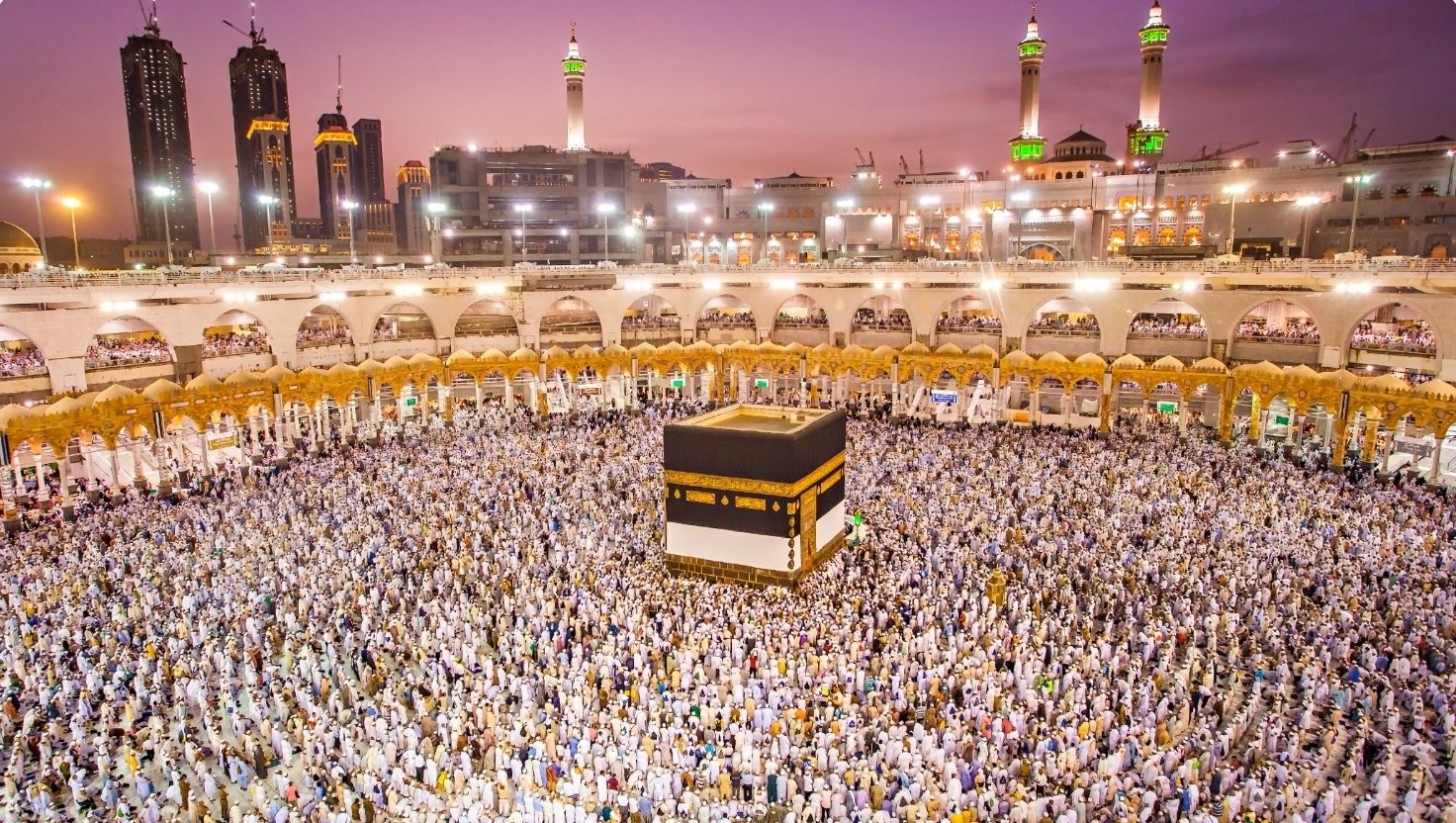
Introduction Embarking on a pilgrimage journey is a profoundly spiritual and transformative experience. Whether you are planning a journey to Makkah or any other sacred destination, the process involves careful preparation to ensure a safe and fulfilling trip. This guide walks you through the essential steps to plan a seamless pilgrimage, addressing common challenges and providing actionable solutions to enhance your travel experience. Why Proper Planning is Crucial for a Pilgrimage A pilgrimage is not just another trip; it carries deep religious, emotional, and cultural significance. Proper planning helps: Minimize logistical hurdles. Ensure compliance with religious rituals. Enhance the spiritual experience. Avoid unnecessary stress during the journey. Being well-prepared allows you to focus on the true essence of the pilgrimage: spiritual growth and connection. What to Consider Before Starting Your Planning 1. Understand the Religious Requirements Research the rituals and practices specific to your pilgrimage destination. Familiarize yourself with the timeline of events to ensure you do not miss any critical steps. 2. Choose the Right Time to Travel Check the religious calendar for significant dates. Consider weather conditions at your destination. Avoid peak seasons if you prefer a quieter experience or book early if traveling during high-demand periods. 3. Budgeting Your Pilgrimage Calculate costs for travel, accommodation, meals, and other essentials. Factor in additional expenses like guided tours, special attire, or donations. Explore group packages that may offer cost savings. How to Plan Your Journey Step 1: Research and Documentation Travel Documents: Ensure your passport and visas are up-to-date. Vaccinations: Check if specific vaccinations are required for entry. Permits: Obtain any special permits needed for sacred sites. Step 2: Book Accommodations and Transport Early Choose accommodations close to key religious sites to minimize travel time. Book flights and local transportation in advance to secure better rates and availability. Step 3: Pack Smartly Clothing: Pack attire that meets religious and cultural guidelines. Essentials: Include comfortable walking shoes, reusable water bottles, and a travel prayer mat. Health Kit: Carry medications, first-aid supplies, and hygiene products. Step 4: Learn About Local Customs Respect local traditions and etiquette. Familiarize yourself with basic phrases in the local language to communicate effectively. Step 5: Plan Your Itinerary Outline daily activities, including rituals, site visits, and rest periods. Leave room for flexibility to accommodate unexpected events or extended prayer times. Overcoming Common Pilgrimage Challenges 1. Dealing with Crowds Arrive early at popular sites to avoid peak crowds. Follow designated pathways to maintain order and safety. 2. Managing Fatigue Stay hydrated and take regular breaks. Opt for accommodations with nearby amenities and easy access to sites. 3. Staying Connected Use local SIM cards or portable Wi-Fi devices for reliable communication. Share your itinerary with family and friends to keep them updated. 4. Adapting to Local Cuisine Research halal or vegetarian food options in advance. Stick to bottled water to avoid health issues. The Role of Technology in Pilgrimage Planning Technology can greatly enhance your pilgrimage experience: Apps: Download apps for navigation, prayer times, and cultural insights. Virtual Tours: Explore sacred sites virtually to familiarize yourself before arrival. Online Communities: Join forums or social media groups for advice from experienced pilgrims. FAQ Section Q1: How far in advance should I start planning my pilgrimage? A: It’s best to start planning at least six months in advance to secure travel documents, accommodations, and permits. Q2: What should I pack for my pilgrimage? A: Pack comfortable clothing, walking shoes, travel-sized toiletries, a medical kit, and items for religious rituals like a prayer mat. Q3: How can I save money on my pilgrimage? A: Book early, consider group packages, and look for discounts on flights and accommodations. Q4: What if I face a medical emergency during my pilgrimage? A: Research local healthcare facilities in advance and carry travel insurance for emergencies. Q5: Are there specific apps to help with pilgrimage planning? A: Yes, apps for prayer times, navigation, and language translations can be highly beneficial. Conclusion Planning a pilgrimage requires attention to detail and a focus on both spiritual and practical aspects. By following these steps, you can ensure a fulfilling and memorable journey. Remember, the essence of a pilgrimage lies in the spiritual connection and personal growth it fosters—proper planning simply enables you to experience it to the fullest.